Alicante's hidden desert where you can walk through dunes beside the Mediterranean
Discover 800 hectares of dunes, pine forest and beaches in this unusual corner of the Costa Blanca
You don’t need to fly to the Sahara to experience a landscape of sweeping sand dunes, with one of Alicante’s most unusual natural spaces offering the chance to walk through a desert-like landscape with the Mediterranean just a few steps away.
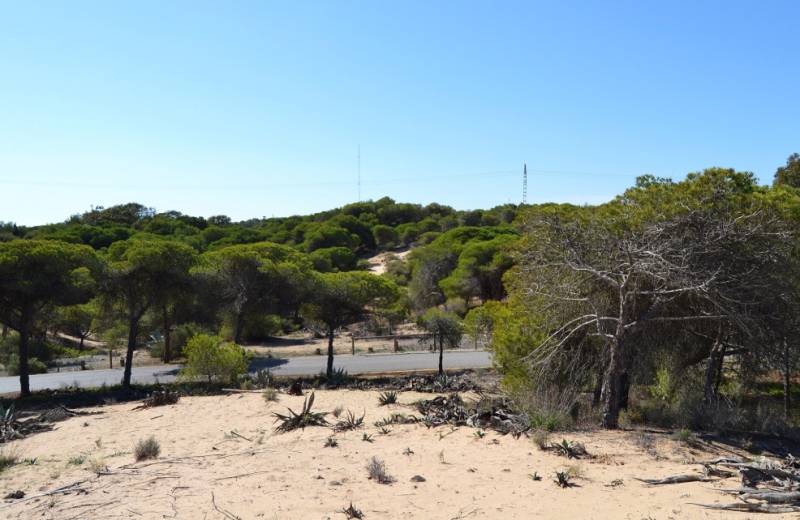
The dunes of Guardamar del Segura cover around 800 hectares and form part of a protected natural area on the Costa Blanca. Alongside the rolling sands, visitors can explore a large pine forest, walk or cycle along a network of paths and reach several beaches for a swim when the temperature rises.
The landscape looks completely natural today, but the dunes were once a serious threat to Guardamar itself. Towards the end of the 19th century, the sand was advancing towards the town at an estimated rate of between two and eight metres each year, putting homes and farmland at risk.
A huge reforestation project was launched to stop the dunes from moving further inland. Engineer Francisco Mira y Botella led the work, which began around 1900 and continued into the 1930s. More than 600,000 trees were eventually planted, including pine, palm and eucalyptus trees, while nurseries, roads and paths were created as part of the project.
The work transformed the landscape and helped establish what is now Alfonso XIII Park, creating a green area alongside the dunes and slowing their advance. Today, more than eight kilometres of paths provide routes through the forest and sandy landscape for walkers and cyclists.
There’s history beneath the sand too, with archaeological remains including La Rábita Califal, an Islamic complex dating from the 10th century, and La Fonteta, an ancient Phoenician settlement.
Several access points make the area easy to explore, with one of the main entrances opposite Reina Sofía Park on Calle Ingeniero Mira. Other routes can be found around Pinos Avenue, Calle Colón and Calle Dunas.
For a particularly scenic walk, wooden walkways lead through the dunes towards Los Viveros Beach, where the sand gives way to the Mediterranean.
It’s an unusual combination of desert-like dunes, woodland, archaeological history and beaches, all packed into one corner of Alicante.