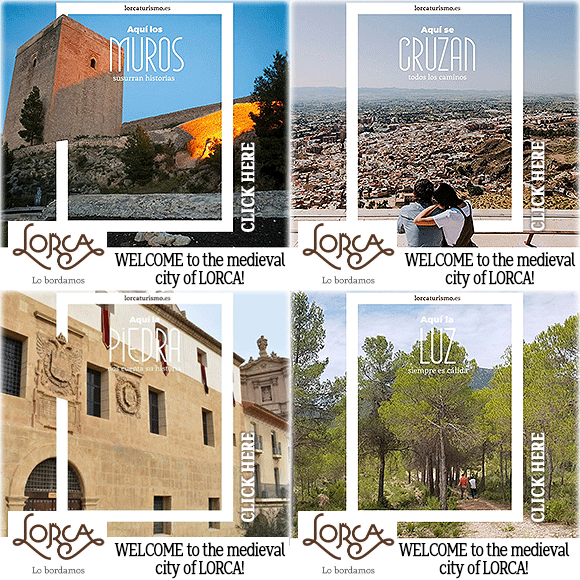












Lorca is a city rich in history, its strategic position above the Guadalentín Valley having attracted human settlers for thousands of years. The Argarics, Iberians, Moors, Jews and Christians all left their footprints in the city, which contains many important monuments and interesting buildings.
The imposing medieval castle (the Fortaleza del Sol) dominates the skyline, as it has since Lorca was a frontier city between Christian Spain and the Moorish kingdom of Granada in the 13th to 15th centuries. Remains of the Jewish synagogue of the Jewish quarter just below it still survive intact, and the city at its foot is filled with ornate Baroque buildings.
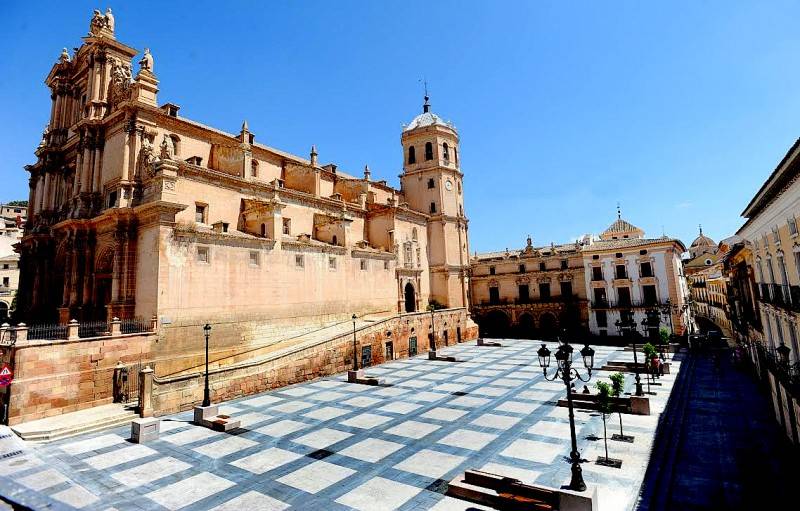
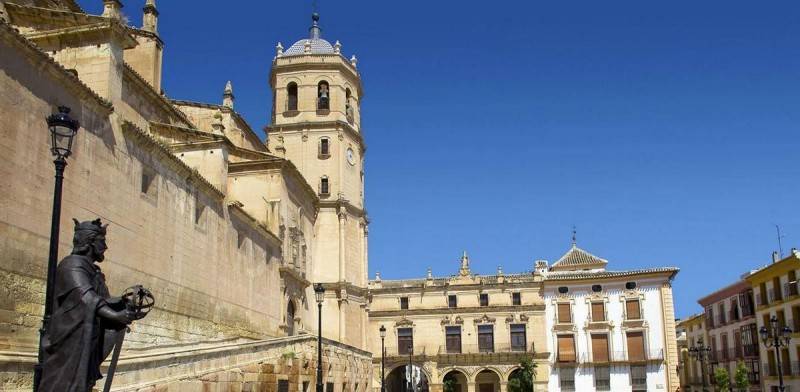 On this very popular tour an official regional tour guide shows visitors around the most important historical buildings in the old quarter of central Lorca, including the former Collegiate Church of San Patricio and the Town Hall, on a free guided tour with commentary in English.
The 2-hour visit starts at the statue of King Alfonso X in the Plaza de España at 18.00 and booking is essential as places are limited. To take part please go directly to the online booking system.
When visiting the city of Lorca your first port of call should always be the tourist office (Plaza de España, 7, telephone 968 441914, email lorcaturismo@lorca.es).
For more information about what to see, what to do and where to eat and drink in Lorca visit the home page of Lorca Today.
staff.inc.ali
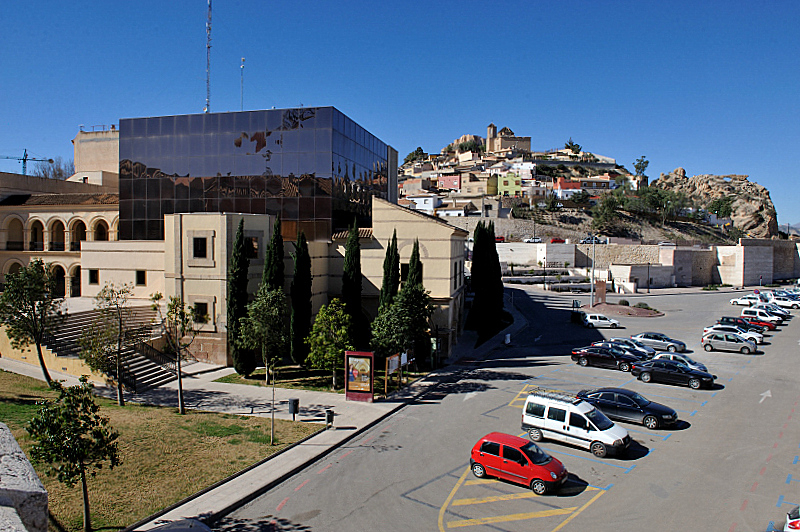
The rich and extensive history of Lorca has left a legacy of archaeological sites and historic buildings around which the modern city has built its tourism industry. Amongst these are Lorca Castle, Plaza de España, the former Collegiate church of San Patricio, the municipal archaeological museum, the Casa Huerto Ruano, the Palacio de Guevara and the churches and convents of San Francisco, San Mateo, the Virgen de las Huertas, La Merced, El Carmen and many others.
Unfortunately, Lorca has been prone to natural disaster, suffering a severe flood in 1973 which killed 50 people, and a Gota Fría on September 28th 2012, as well as a series of earthquakes, the most recent of which was 5.3 on the Richter scale on 11th May 2011 and claimed 9 lives.
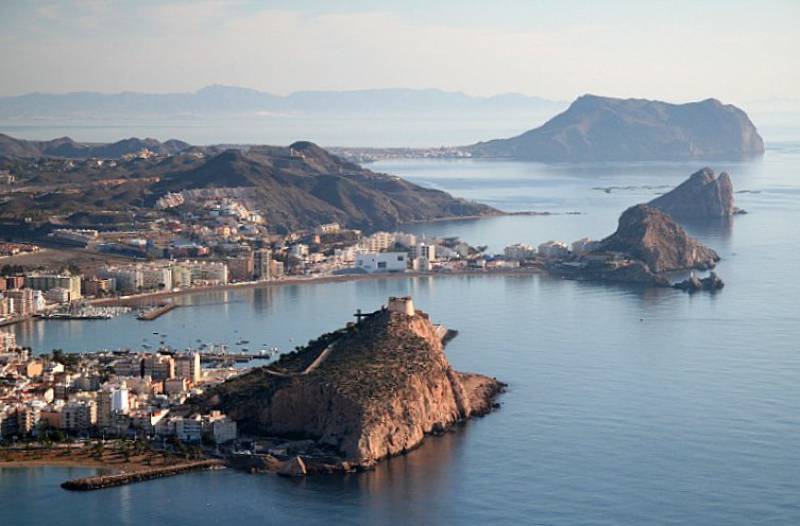
 Lorca also has an area of unspoilt coastline incorporating the Parque Regional de Cabo Cope - Puntas de Calnegre, which includes the beaches of Puntas de Calnegre, Cala Calnegre and various others. Although only one is accessible by road others can be reached along dirt tracks!
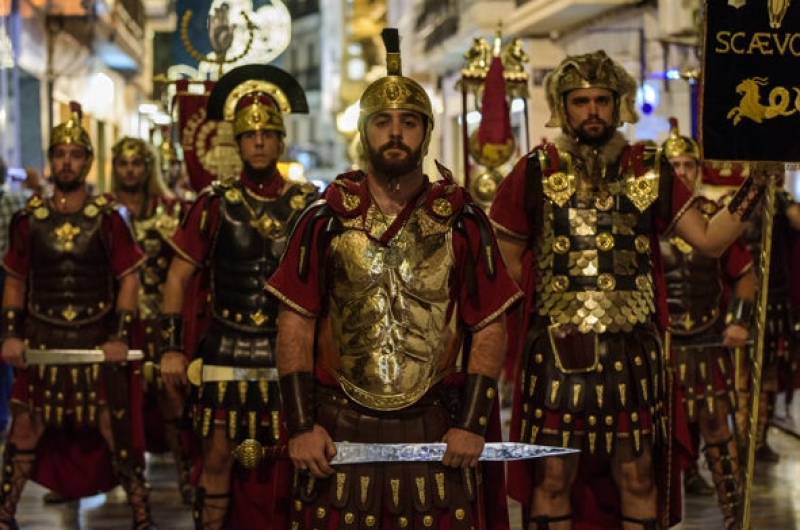
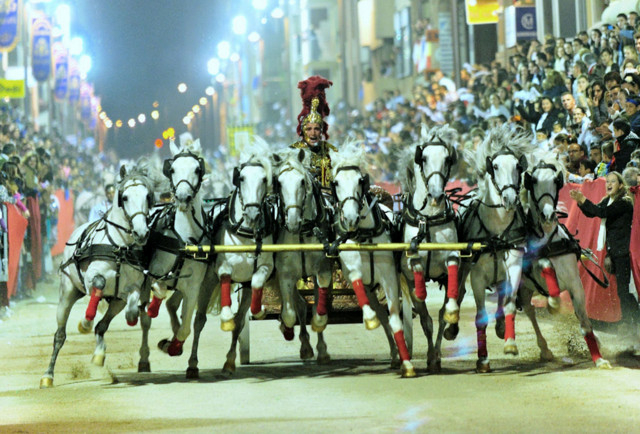
In terms of fiestas, Lorca is synonymous with Easter (Semana Santa), its biblical parades of International Tourist Interest status being famous throughout Spain. The week includes a series of parades in which the whites (Paso Blanco) and blues (Paso Azul) try to outdo each other with the magnificence of their embroideries and the skill and daring of their horsemen.
In the Autumn Lorca also celebrates the Fiestas of San Clemente and a Feria and there are a series of important events throughout the year in the Recinto Ferial, as well as a busy cultural and sporting programme.
The tourist office relocated for 14 years to Calle San Patricio, near the church, but has now returned to its former premises alongside the Palacio de Guevara in the Plaza Concha Sandoval, or Plaza de la Bordadora (click for map).
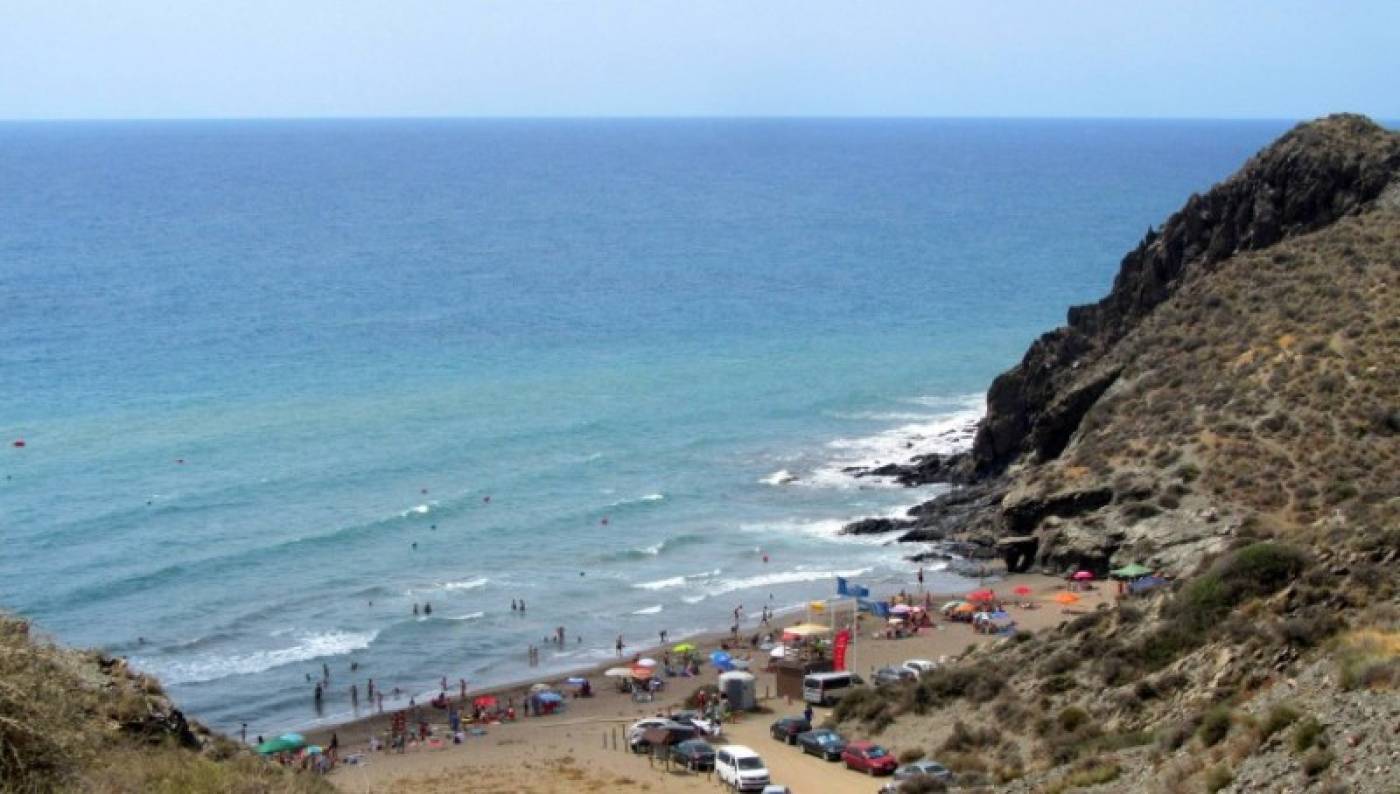 Lorca also has an area of inspoilt coastline incorporating the Parque Regional de Cabo Cope - Puntas de Calnegre, in the Sierra de Almenara, which includes the beaches of Puntas de Calnegre, Baño de las Mujeres, San Pedro, El Siscal, Cala Honda, Cuartel del Ciscar, Junquera, Cala de la Gruta, Cala Leña, Los Hierros, Cala Blanca and Playa Larga, although many are accessible only along difficult tracks or by boat!
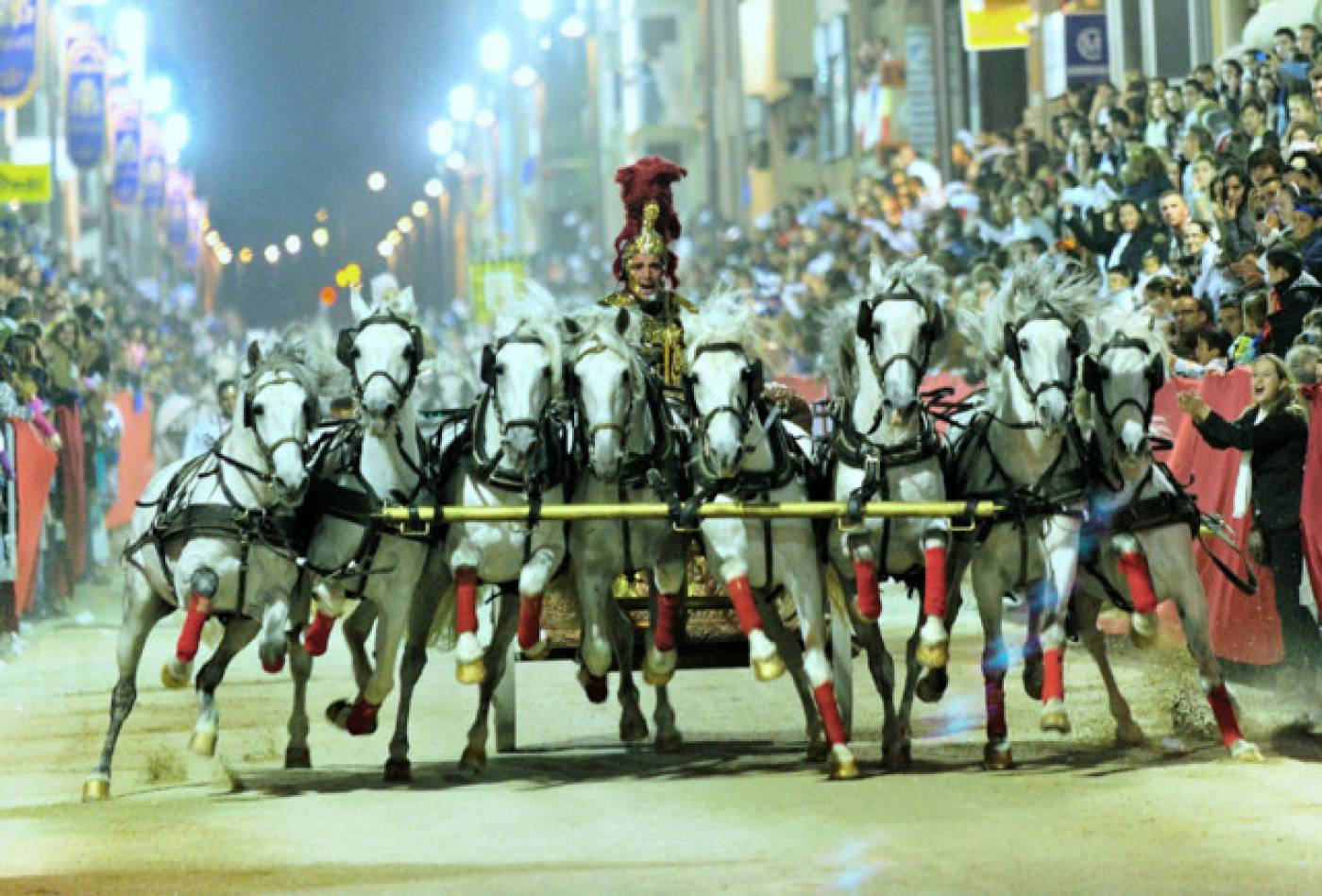 However, in spite of its many attractions, the name of Lorca is synonymous with Easter, (Semana Santa) its biblical parades of International Tourist Interest status and famous throughout Spain. The week includes a series of processions in which the Whites (Paso Blanco) and Blues (Paso Azúl) try to outdo each other with the magnificence of their embroideries and the skill and daring of their horsemen.
Lorca also has a Parador hotel, located within the historic castle.
Every day of the year apart from 1st and 6th January and 25th December, 10.00 to 14.00 and 16.30 to 18.30 (except Sunday afternoons).
These opening times are often extended and other information points created during the Semana Santa celebrations.
For more local news, events and visiting information go to the home page of Lorca Today