





















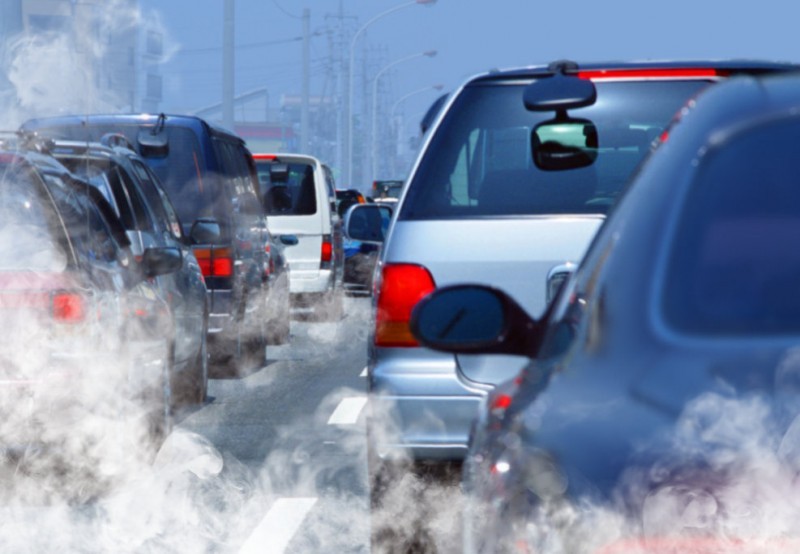
Nitrogen dioxide (NO2) is one of the pollutants produced in greater quantities, typically by vehicles and power plants in large towns and cities, a "silent enemy" that affects people's health and can cause damage to the respiratory system.
Faced with this situation, the World Health Organisation (WHO) published new air quality indicators on September 21, reducing the maximum levels set 16 years ago.
In the case of nitrogen dioxide, acceptable levels have gone from 40 micrograms per cubic metre to a 10.
But worryingly, according to data from the European Environment Agency for 2019, most of the Valencian region, including Alicante "fails" to meet the new air quality requirements.
In fact, in Valencia city and Alicante, the levels were twice as high as the new maximum, with only Benidorm and Elda recording below 10 micrograms per cubic metre.
Of the seven towns and cities in the region with the highest readings: Valencia recorded a level of 25; Alicante (21); Castellón (18), Elche (14); and Torrevieja (8).
To determine the "real picture", figures for 2019 have been used to gauge the extent of the problem, since annual pollution for 2020 were "widely distorted by the restrictions on mobility and activity" due to the pandemic.
The updated WHO air pollution indicators are based on "abundant scientific evidence", and have the backing of Ecologists in Action, which claims that "the significant reduction in pollution levels should be a spur for different governments in order to advance as much as possible in improving air quality".
However, the indicators are not mandatory, and it is up to individual countries to adopt them.
"These objectives should be the goal and not the limits set by regulations, which do not always guarantee the protection of health," said WHO.
Image: Archive