









PROPERTY SEARCH

The first Coca-Cola in Spain wasn't bottled in Madrid or Barcelona. It was bottled in Tenerife
A fascinating slice of Spanish history hiding in plain sight, and it all started with a drink that customers thought tasted like cough syrup
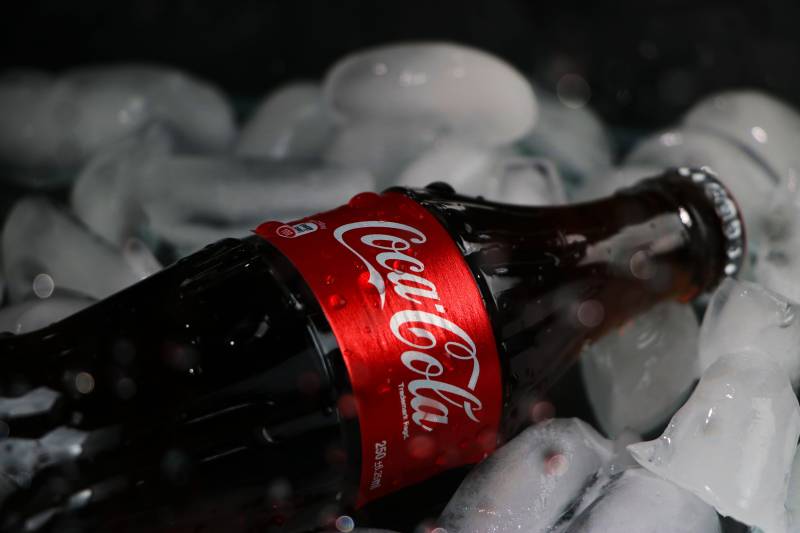 Many of us have been reaching for a cold Coca-Cola more than usual this summer, and who could blame us. But next time you crack one open in the heat, spare a thought for the customers of Santa Cruz de Tenerife in the late 1920s, who eyed the strange dark liquid with deep suspicion and generally concluded it tasted like medicine.
That unlikely beginning is where the story of Coca-Cola in Spain actually starts. Not Barcelona, not Madrid, but a small bottling plant on a corner of Jesús Nazareno Street in the old town of Santa Cruz, a place called The Perfection.
The year was 1927, and a young Danish businessman named Guillermo Olsen had just returned from Brussels having learned the trade, ready to introduce Spain to the world's most famous soft drink. His father, a shipping agent and Danish consul on the islands, had been deeply sceptical when a Danish sea captain first arrived around 1925 looking for local partners. The son saw things differently.
The bars of the time carried large metal signs bearing the slogan "Delicious and refreshing" in English, the same tagline the brand had been using since 1904, and a language almost nobody in Tenerife understood. It did not exactly help sales. But Olsen was inventive.
In July 1928 he organised the first Coca-Cola Cup, a football tournament at the Tenerife Stadium between Salamanca and Iberia, cleverly tapping into the sport's growing popularity. Newspaper adverts of the era made practical promises, claiming the drink soothed the throat and relieved fatigue after a long walk.
Production eventually reached almost 400 bottles per hour. That same year, on the other side of the world, Coca-Cola debuted as a sponsor at the Amsterdam Games and expanded into China. The brand was on the move.
The story only gets more interesting from there. When the drink reached Gran Canaria, the factory eventually moved to the town of Teror. Production required high-quality water, but Teror had no supply, so the company built a cistern next to a clean water well and pumped water into the town centre. That infrastructure, built purely to bottle an American soft drink, ended up becoming Teror's first public water supply.
Coca-Cola gave the town its drinking water before the town had its own fountain. From the same venture, a local brand called Nik was later launched around 1956, its strawberry flavour still a fixture in roadside bars across the islands today.
The Civil War interrupted everything. The United States stopped sending the concentrate, licences were frozen, and production stopped for nearly twenty years. Elsewhere in Spain, La Vizcaína had held the Bilbao concession since 1929, and in Catalonia, Francisco Duffo, who would later create La Casera, had been bottling under the Espumosos El Rayo brand.
The brand's official Spanish history places its post-war restart on March 31 1953, when the Daurella family produced the first bottle at the Cobega plant in Barcelona.
But Tenerife's place in the story was never really in doubt. By 2021, the Canary Islands were selling more than 138 million litres of Coca-Cola products annually. And in 2012, the company itself finally said out loud what the archives had been showing all along: that the Canary Islands were where it all began, back in 1927, in a small bottling plant that nobody outside Santa Cruz had ever heard of.
Image: Fafegh/Pexels
staff.inc.ali
Sign up for the Spanish News Today Editors Roundup Weekly Bulletin and get an email with all the week’s news straight to your inbox
Special offer: Subscribe now for 25% off (36.95 euros for 48 Bulletins)
OR
you can sign up to our FREE weekly roundup!
Read some of our recent bulletins:
Discount Special Offer subscription:
36.95€ for 48 Editor’s Weekly News Roundup bulletins!
Please CLICK THE BUTTON to subscribe.
(List price 3 months 12 Bulletins)
Read more stories from around Spain: