Spanish scientists create first Iberian Lynx embryos in laboratory breakthrough
ARCHIVED ARTICLE -
The new reproductive technology could prevent inbreeding as lynx populations across Spain face ongoing threats
Spanish scientists have achieved a world first by successfully creating Iberian lynx embryos in the lab, offering new hope for a species that continues to face significant challenges despite remarkable recovery efforts in recent years.
The breakthrough, published in the journal Theriogenology Wild, was accomplished by researchers from the National Museum of Natural Sciences and the Faculty of Veterinary Medicine at the Complutense University of Madrid. The team used reproductive cells recovered from female lynxes killed in accidents, fertilising them with cryopreserved sperm stored in the species biobank.
However, the rapid recovery has brought its own complications. The loss of genetic diversity means the animals face an increased risk of inbreeding. This reduces their chances of survival by causing diseases and diminishing reproductive capacity, threatening to undermine conservation gains.
And conservation programmes across Spain have encountered mixed results. Recent initiatives, including the introduction of breeding pairs to the Lorca highlands, have seen some success with animals settling in and producing kittens. Yet tragedy has struck repeatedly, with lynxes killed in road traffic accidents after wandering too far from their habitat, or straying into urban areas and consuming harmful substances.
The new laboratory technique could provide a crucial solution to these ongoing challenges.
"This study provides new options to the lynx conservation programme because it makes possible the reproduction of animals that have not had that opportunity, for example, because they die prematurely or because they have behavioural problems and do not mate," explained Eduardo Roldán, a scientist at the National Museum of Natural Sciences and co-director of the research.
The team obtained male reproductive material through collaboration with Iberian lynx captive breeding centres in Spain and Portugal, where they collected and cryopreserved sperm for storage in the museum's Germplasm and Special Wild Tissue Bank. Female samples came from wildlife recovery centres supporting the conservation programme in Andalucia, Castilla-La Mancha and Extremadura, along with the Ministry for Ecological Transition and the National Parks Autonomous Agency.
However, the team acknowledges that significant work remains before the technique can be widely applied.
"The success achieved is far from ideal. It's less than what we obtain with domestic cats, the species we use as a model," Ms Sánchez Calabuig noted. Among the main challenges is the time that elapses between locating injured females and recovering their ovaries, prompting the team to explore alternative methods for obtaining oocytes.
The next critical step involves developing methods to transfer the embryos to recipient females.
"We now need to develop methods to transfer these embryos to recipient females, which will undoubtedly contribute to enhancing the genetic diversity of this species," said Ana Muñoz Maceda, a predoctoral researcher at the Complutense University and lead author of the study.
Despite these challenges, the researchers remain optimistic about the potential impact of their work. The results, "although initial and still improvable, confirm that reproductive biotechnology can become a key tool to complement conservation efforts and ensure the long-term genetic sustainability of the Iberian lynx," Ms Sánchez Calabuig added.






















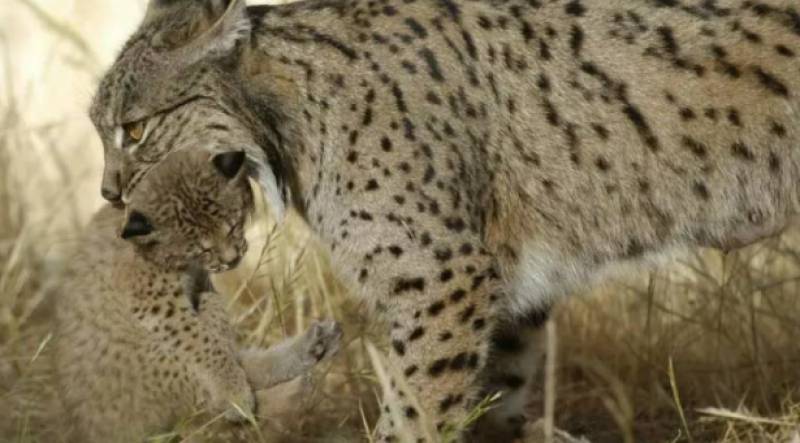 The new laboratory technique could provide a crucial solution to these ongoing challenges.
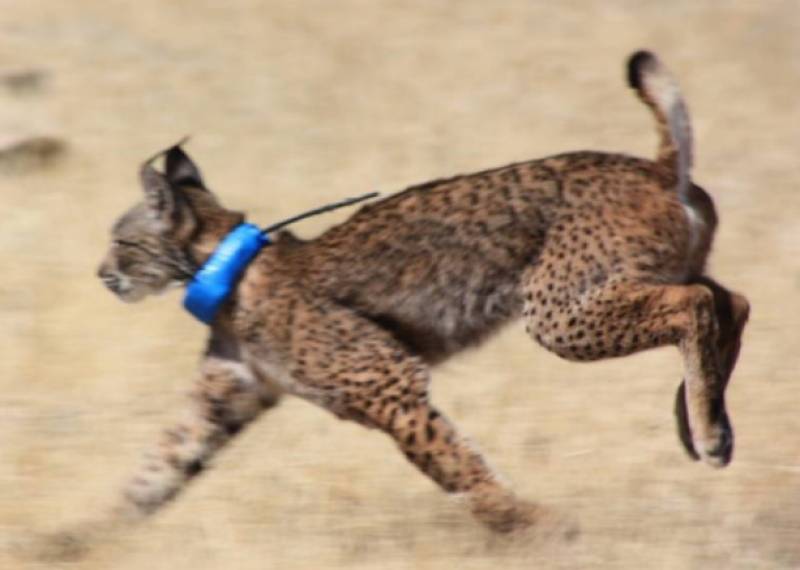 The next critical step involves developing methods to transfer the embryos to recipient females.