Scientists in Spain reveal how mosquitoes pick their victims
ARCHIVED ARTICLE -
The discovery could help experts stay one step ahead of mosquito-borne diseases in Spain
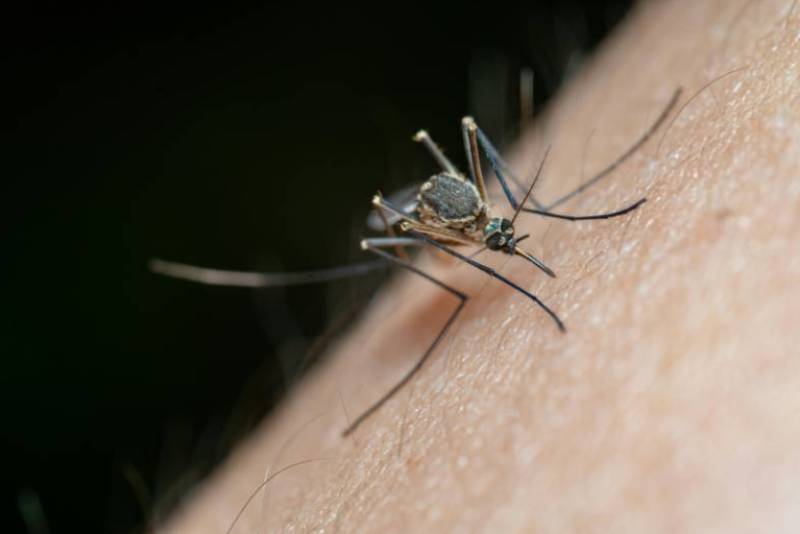
If you've ever been eaten alive by mosquitoes while your other half sits next to you completely untouched, it turns out there might actually be a scientific reason for that. A new study from the Doñana Biological Station has found that mosquitoes don't just bite whoever happens to be nearby, they've got preferences, and those preferences go back millions of years.
Scientists used to think mosquitoes simply fed on whatever animals happened to be around them at the time. But this new research shows that's not quite the full picture. Instead, closely related mosquito species tend to stick to similar tastes when it comes to choosing who, or what, to bite, a pattern researchers are calling evolutionary inertia.
To figure this out, the team looked at 765 records of mosquito feeding habits from all over the world, trying to work out why certain species go for certain animals and not others. It turns out some mosquitoes have a real taste for mammals, humans included, while others prefer birds, amphibians or even reptiles, depending on which family they belong to.
One species in particular stands out for public health reasons, the common mosquito, Culex pipiens. It usually feeds on birds, which act as a natural reservoir for West Nile virus, but every so often it'll bite a human too. That occasional switch is exactly how diseases like this can jump from birds to people in the first place.
That said, it's not purely down to evolutionary taste. The study found that how many potential hosts happen to be around at any given time also plays a big role in who actually ends up getting bitten.
Researchers say understanding these patterns is becoming more important than ever, especially as climate change and shifting habitats bring mosquitoes, animals and humans into contact in new ways.
So while there's still no way to guarantee you won't end up covered in bites this summer, at least now there's a bit more science behind why it always seems to be you.