







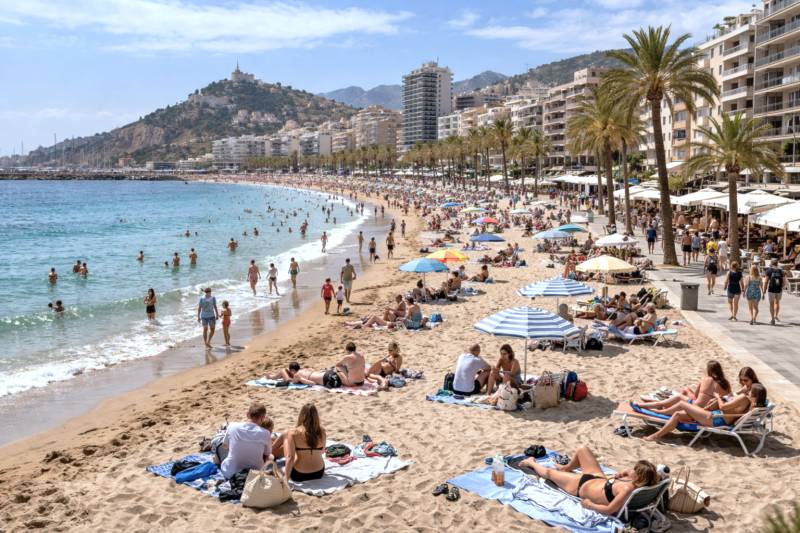


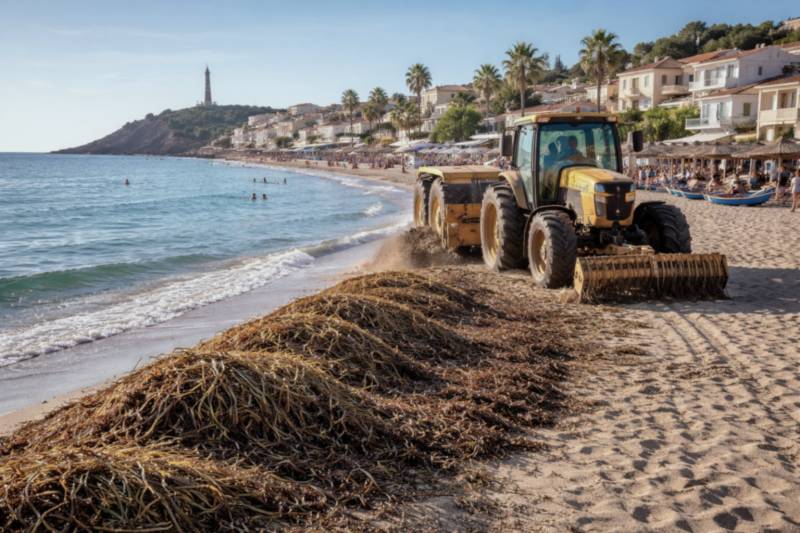







Beach cleaning in Cartagena is being looked at more closely after concerns were raised about how current methods may be affecting the coastline.
Procabo, a local association focused on protecting the coastal environment around Cabo de Palos, has asked the council to review how beaches are maintained. The request follows the introduction of a new coastal maintenance contract worth €250,000.
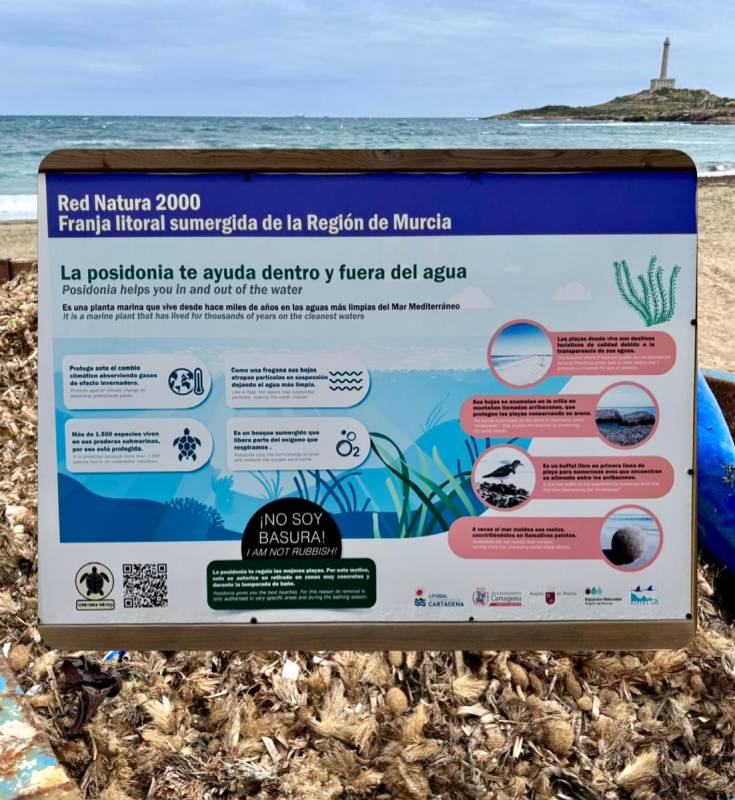
The group is worried that beach cleaning doesn't clearly separate actual rubbish from natural material that belongs on the shore. They are especially concerned about Posidonia, a type of seagrass that grows along Mediterranean beaches.
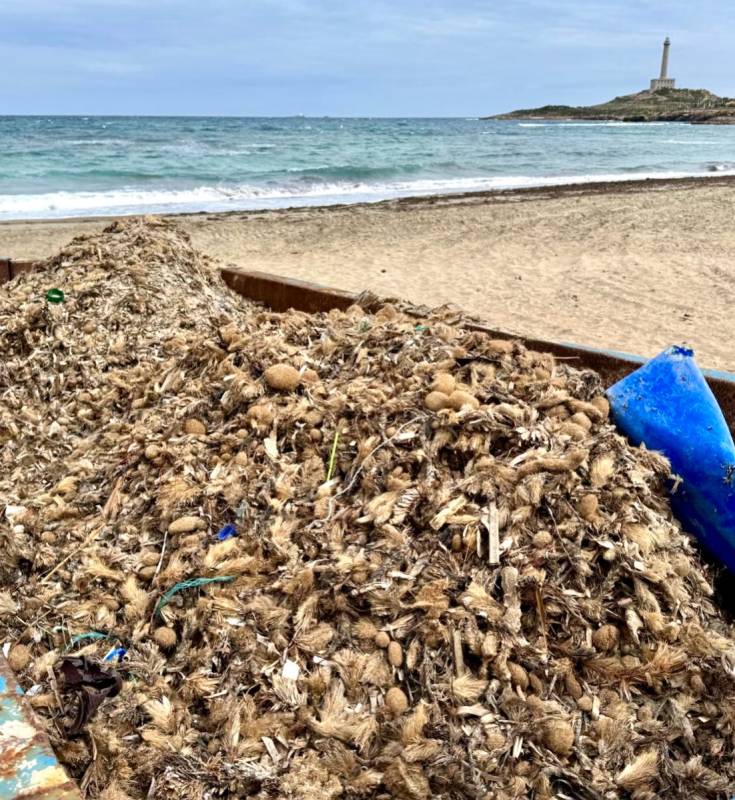 According to Procabo, this seagrass is being regularly cleared from beaches such as Playa de Levante and Playa de las Amoladeras using tractors and other heavy machinery.
While it may be seen as part of keeping beaches clean, Posidonia is not considered waste. It plays an important role in maintaining the health of the coastline. It helps to prevent erosion, keeps sand in place, supports biodiversity, and acts as a natural barrier during storms.
Procabo says that removing it purely for aesthetic reasons can interfere with these natural processes and, over time, make beaches more vulnerable.
The issue has become more relevant following the approval of Real Decreto 191/2026, a regulation that strengthens the protection of marine plant life in the Mediterranean. With these protections in place, taking Posidonia from the beaches regularly may not follow conservation guidelines.
 There are also concerns about wildlife. Mediterranean beaches have seen increasing nesting activity from the loggerhead sea turtle, a protected species. Mechanical cleaning can disturb the sand and may affect these nesting areas.
Procabo believes the bigger issue is that beach cleaning is often guided by appearance rather than environmental considerations. While cleaning is necessary, the association argues it should be carried out in a way that respects how coastal ecosystems function.
They also point out that heavy machinery not only removes seagrass but can also take sand with it, contributing to gradual coastal degradation, particularly in more fragile areas such as Amoladeras.
The association has asked the council to review its current approach, reduce the use of heavy machinery, and adapt beach management practices in line with scientific guidance.
Protecting the coastline, they say, is not only an environmental responsibility but also essential for preserving the long-term condition of Cartagena's beaches and the natural life they support.
Read also: Spain drafts emergency plan to protect dolphins, turtles and birds caught in Murcia fishing nets
Image 1: Archive
Images 2 & 3: Procabo
staff.inc.ali
Sign up for the Spanish News Today Editors Roundup Weekly Bulletin and get an email with all the week’s news straight to your inbox
Special offer: Subscribe now for 25% off (36.95 euros for 48 Bulletins)
Read some of our recent bulletins:
Discount Special Offer subscription:
36.95€ for 48 Editor’s Weekly News Roundup bulletins!
Please CLICK THE BUTTON to subscribe.
(List price 3 months 12 Bulletins)