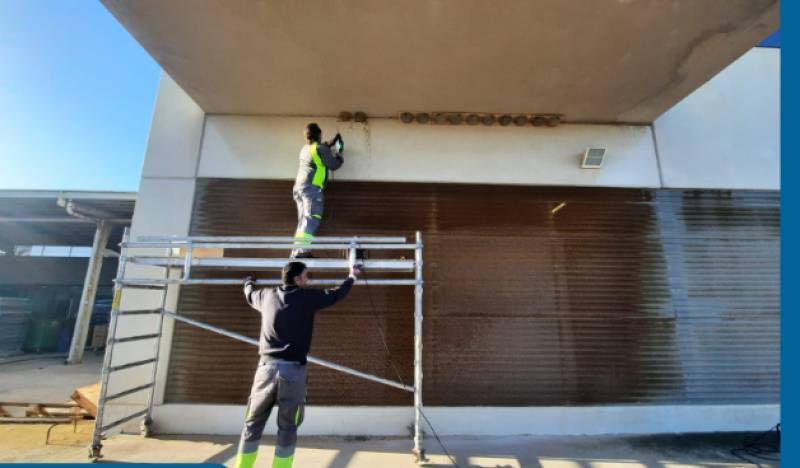
Bird boxes installed at Torrevieja hospital to combat mosquitoes
ARCHIVED ARTICLE -
Swifts, capable of devouring 10,000 mosquitoes per day, are annual visitors to the Costa Blanca
The warm spell sweeping across southern Spain this February might feel lovely if you’re enjoying a coffee in the sun, but it has brought one very familiar downside back far earlier than usual. Mosquitoes are already out in force across parts of the Costa Blanca and Torrevieja is taking action.
In a move that combines pest control with environmental protection, Torrevieja City Council has installed 20 nest boxes for common swifts at the University Hospital. The aim is simple enough, encourage more insect-eating birds to settle in the area and let nature help keep mosquito numbers under control as temperatures continue to climb.
The nesting boxes have been fixed to the outside of the hospital building facing the Torrevieja Lagoon, an area known for both birdlife and, unfortunately, mosquitoes. The council says colonies of these birds were already spotted nearby last year, so this is about strengthening their presence ahead of peak season.
Councillor for Pest Control, Diana Box Alonso, said the idea is to combine sustainable solutions with practical results, especially in sensitive places such as healthcare facilities where mosquitoes are more than just a nuisance.
The common swift is a protected migratory species and an impressive traveller, covering close to 10,000 kilometres each year before returning to Spain between March and September. That timing is crucial because it coincides with the months when mosquito populations explode, particularly around humid areas such as lagoons.
These birds feed almost entirely on flying insects and can consume thousands per day, making them a valuable natural defence. By installing artificial nests now, the council hopes the swifts will return in greater numbers and help reduce the need for chemical treatments later in the year.