AI is helping scientists grow tastier strawberries in Andalucía
ARCHIVED ARTICLE -
Andalusian researchers use artificial intelligence to understand how flavour and aroma depend on genetics and climate
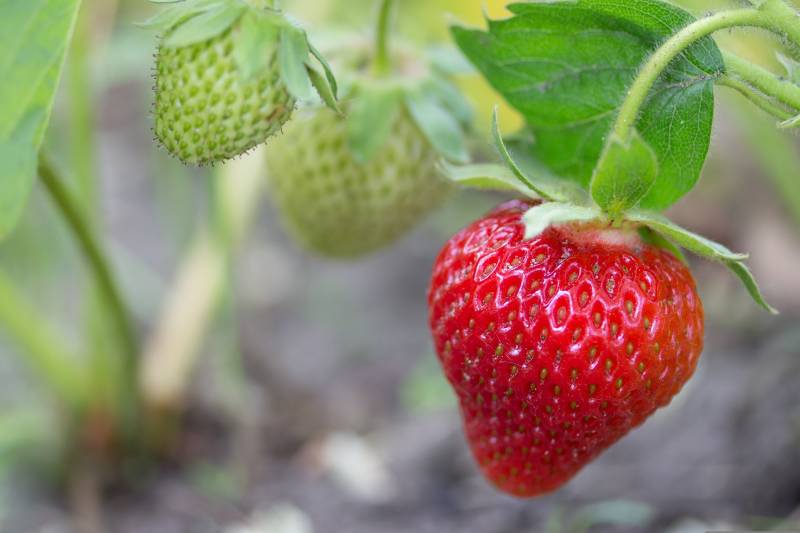
Artificial intelligence is already part of many everyday things, from phone assistants to online shopping. Now, it is also starting to help improve what we eat: in this case, strawberries.
Andalusian researchers from the University of Málaga and the ‘La Mayora’ Institute of Subtropical Mediterranean Horticulture have used AI to identify the genetic and environmental factors that shape a strawberry’s flavour and aroma. The project is designed to help breeders use molecular markers to develop new varieties that are not only more resilient to climate change, but also sweeter and more aromatic, in less time and at lower cost.
The study followed the same strawberry varieties - Clery, Frida, Gariguette and Sonata - grown in very different conditions across five European countries: Norway, France, Italy, Poland and Germany. Some were grown in open fields in cooler climates, others in polyethylene tunnels in warmer regions. This allowed scientists to see how the same plant behaves when the climate, soil and farming methods change.
They found that the growing environment modifies up to 30% of the strawberry’s “metabolomic” profile, the set of small molecules inside the fruit that affect taste and smell. The interaction between the plant’s genetics and its environment explains around 18% of that mix, while the exact harvest date by itself accounts for less than 5%. In practical terms, this means where and how you grow the fruit matters almost as much as the variety.
The researchers also observed that warm weather and high temperatures speed up ripening and increase acidity, often at the expense of flavour. By contrast, milder conditions help the fruit build up sugars and aromatic compounds, giving a richer, more balanced taste.
By combining detailed molecular measurements with advanced mathematical models, the team has created a kind of “flavour blueprint” for strawberries. This will help plant breeders choose the best plants for specific regions, including warmer ones like Andalucía, without needing years of trial and error.
The work has been published in the journal Food Chemistry and is expected to support the development of new strawberry varieties that stay tasty even as the climate shifts. For growers and berry loving consumers alike, it is a reminder that tomorrow’s sweeter strawberries might owe as much to AI as they do to sunshine.


















 Artificial intelligence is already part of many everyday things, from phone assistants to online shopping. Now, it is also starting to help improve what we eat: in this case, strawberries.