Wild boar numbers brought under control around Cartagena after targeted culls
ARCHIVED ARTICLE -
Regional authorities say monitoring continues after dozens of animals captured near urban areas
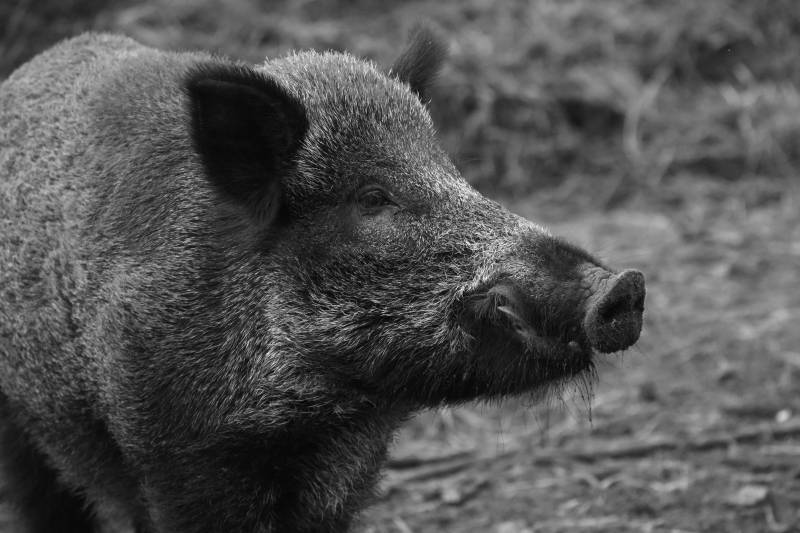
After months of concern and stepped-up measures, regional authorities say the wild boar problem around Cartagena is now largely under control, following a series of targeted captures on the outskirts of the city.
According to the regional Environment Department, 10 wild boar have been culled in areas close to residential neighbourhoods, where animals had repeatedly been spotted over the summer months. Officials say the situation is being closely monitored and that surveillance remains in place. “We are continuing with vigilance and follow-up,” department sources confirmed.
The latest operation forms part of a wider strategy that has been quietly unfolding since last autumn. In addition to the captures near populated areas, a further 29 wild boar were taken during coordinated campaigns in Calblanque and Escombreras, where the animals had also been causing concern. These actions were carried out away from residential zones but were designed to reduce overall population pressure around the city.
Much of the work near built-up areas has been deliberately low profile. Authorities have previously explained that the placement of trap cages was kept confidential to avoid drawing attention to sensitive locations close to homes and public spaces. Before any animals were captured, several weeks were spent conditioning them to return regularly to the same feeding points.
Officials have also stepped up monitoring efforts using night-time drone surveillance to track family groups around the perimeter of Cartagena. Flights cover all areas except military zones, which cannot be overflown. When new groups are identified, technicians assess the safest method for capture, prioritising public safety at every stage.
The wild boar issue first flared up in August, when prolonged drought and food shortages in the countryside pushed animals closer to urban areas. Residents in neighbourhoods such as La Concepción reported seeing boar rummaging through bins, parks and green spaces, while sightings were also reported as far afield as Nueva Cartagena.
Some encounters were more alarming. In areas like the Avenida del Cantón, animals were seen near flooded plots after heavy autumn rain, narrowly avoiding traffic incidents involving cars and even a bus.
While attacks on people remain rare, the regional government continues to urge caution. Residents are advised not to approach or feed wild boar and to contact emergency services if animals are spotted. Officials stress that while the situation has improved, continued cooperation from the public remains essential to keeping it under control.


















 After months of concern and stepped-up measures, regional authorities say the wild boar problem around Cartagena is now largely under control, following a series of targeted captures on the outskirts of the city.