Date Published: 04/03/2026
Specialist divers are heading into the Mar Menor to tackle the invasive algae choking the lagoon
ARCHIVED ARTICLE -
Los Alcázares is the first to get the green light to manually remove Caulerpa prolifera from the Mar Menor
Copious amounts of rain over the last few months means that the Mar Menor is facing
a growing algae problem, and one local council has decided to do something about it. Los Alcázares has become the first local authority in Spain to receive official permission to remove concentrations of
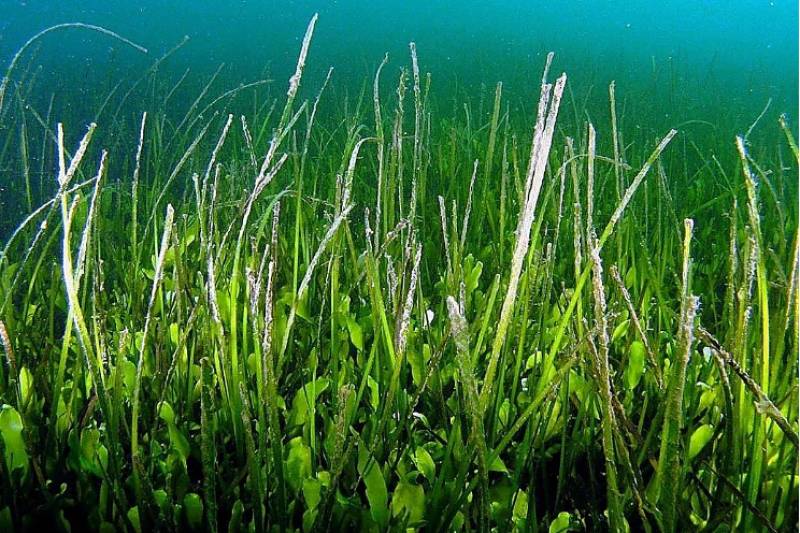
Caulerpa prolifera, an invasive algae that has been spreading through the lagoon for years and is now posing a new threat to the fragile ecosystem.
Caulerpa prolifera has colonised the lagoon since changes in salinity following the opening of the Estacio canal, and the problem has accelerated since the ecological collapse of 2016. As well as generating
unpleasant sludge that puts swimmers off, it's blocking the recovery of
Cymodocea nodosa, the native protected plant the lagoon depends on.
In a pioneering move for
Los Alcázares, specialist dive teams will carry out the work by hand using rakes at three beaches, Los Narejos, Carrión and La Concha, with the first three extractions due to be completed before March 15.
Mayor Mario Pérez Cervera explained that the teams will be supervised by experts and that floating barriers will be installed first to stop sediment from spreading during the work. Heavy machinery is banned entirely from the process.
Once removed, the algae will be drained on floating platforms before being brought ashore, and there are plans to explore using it for composting or as an agricultural substrate, meaning nothing need go to waste.
Image: COMU-IEO / CSIC
article_detail

|