
























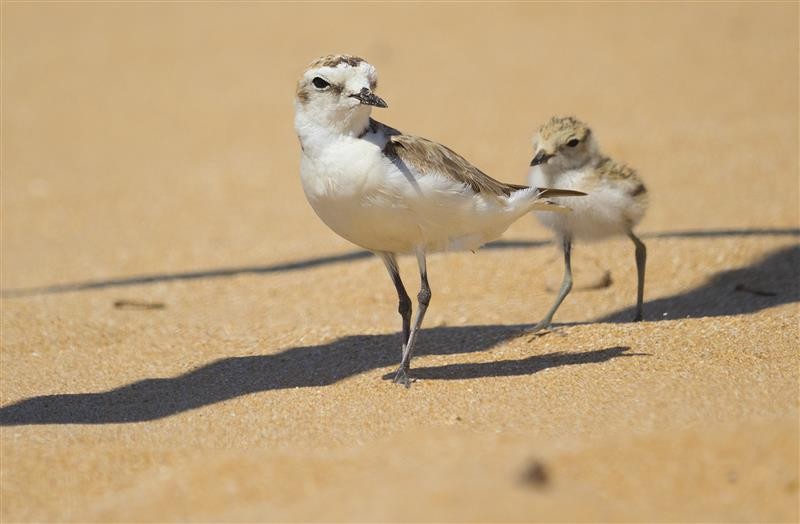
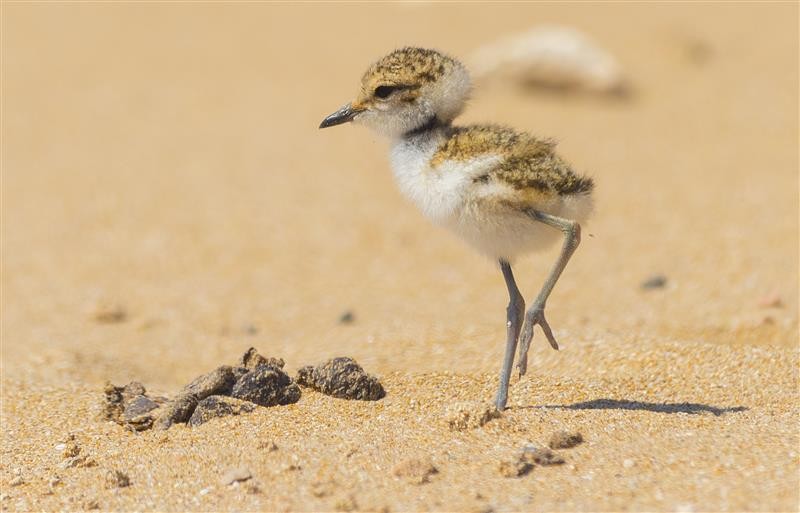
Measures to safeguard Kentish Plover nesting sites at Torrevieja's Municipal Natural Park 'Molino del Agua', have been hailed a resounding success following the birth of 13 chicks.
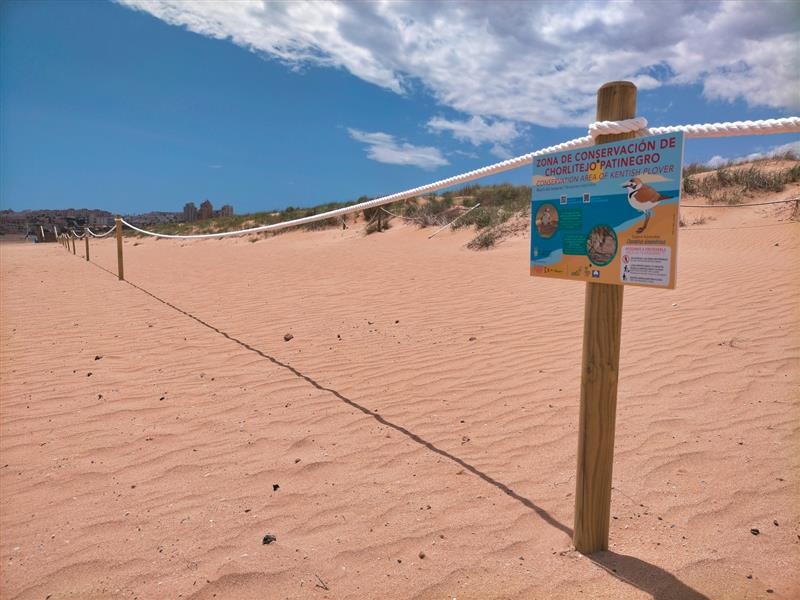
The council stepped up measures to protect the species' nesting sites in May, and even temporarily fenced off part of La Mata beach, the longest beach in the municipality, to give the birds the best possible chance to reproduce.
And the results have "exceeded all initial expectations", according to the local authority, the Wildlife Service of the Department of Ecological Transition and the Provincial Coastal Service.
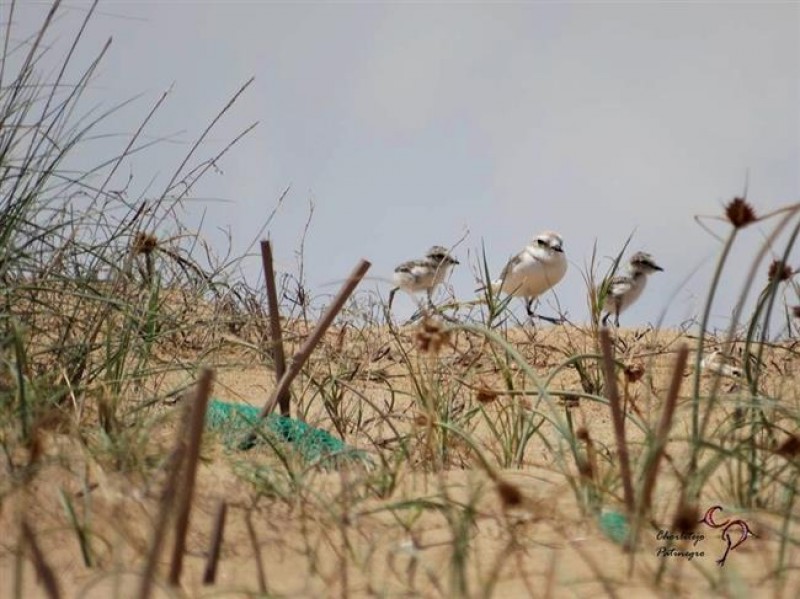
Over the last two months, at least four pairs of Kentish Plover have created nests in the sand along 370 metres of the beach and dunes, and during the first clutches, a total of nine chicks hatched, with four more in the second.
"These figures are a resounding success, and clear proof that the conservation of biodiversity in urban and periurban environments can be enhanced, with proper management based on knowledge of the ecological requirements of the species, the particular characteristics of each place and the management of public use," added the wildlife service.
As well as fencing off important sites, beach cleaning staff adapted the service, resorting to manual clearing and collection of debris and rubbish in areas close to nesting sites.
And crucially, a team of volunteers has carried out "exhaustive monitoring" of the species' population, which has "provided detailed information in real time to make decisions quickly and efficiently".
"Thanks also to beach users for their understanding and involvement, keeping dogs on leashes and avoiding the nesting sites," added the local authority.
The Kentish Plover is a small and charismatic wader of the Charadriidae family that breeds on the shores of saline lakes, lagoons, and coasts, populating sand dunes and marshes.
They are ground-nesting birds, often with a preference for low, open, moist nesting sites away from thick vegetation and human activity.
IMAGE: Ayuntamiento de Torrevieja