Spain's cars now average 14.6 years old, putting safety at risk
ARCHIVED ARTICLE -
Experts warn older vehicles double fatality risk without modern ADAS systems
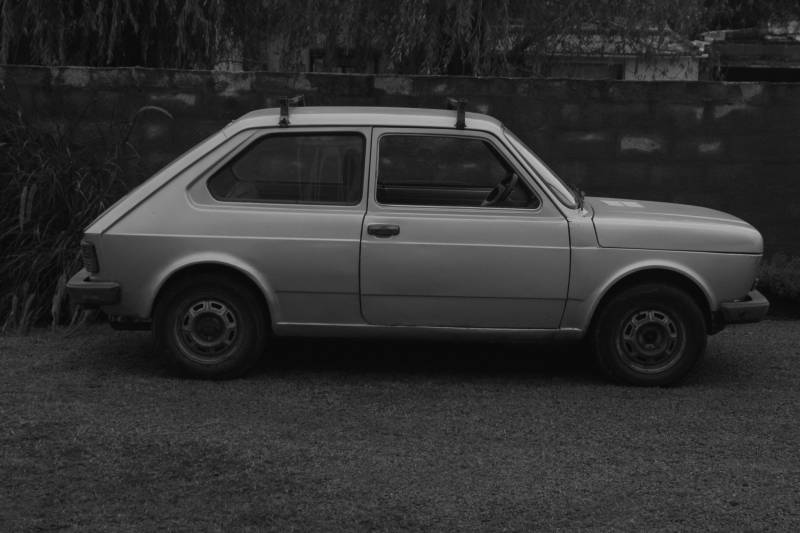
If you are driving an older car in Spain, you might want to think about that next ITV (Spain’s equivalent of an MOT). New figures show the average age of vehicles here has hit 14.6 years across a fleet of 32 million cars, according to Anfac (Spanish Association of Automobile and Truck Manufacturers) and Ideauto (Institute of Automotive Studies).
First owners are keeping theirs for 12.7 years too, per Ganvam data. Safety experts say this ageing trend is worrying, especially with economic pressures and the shift to electric cars making people hold on longer.
Guillermo Magaz from Aeca-Itv puts it bluntly: "Older cars, over 10 years old, double the risk of fatalities in an accident." He explains they lack the latest safety tech and perform worse in crashes. Bruno Brito, CEO of Ideauto, agrees: "Although cars from the early 2000s are still up-to-date in terms of comfort and systems, they are far from current safety levels. They haven't incorporated Advanced Driver Assistance Systems (ADAS)."
At ITV stations, the signs are clear. "75% of the defects we find are in the lighting, wheels, suspension, or headlights," Magaz notes. Some owners skip inspections knowing they will fail, leading to even worse condition on the roads. Environmentally, it is a problem too with many still on Euro 4 emission standards (from 2005-2009) as Euro 7 rules (upcoming stricter limits) loom.
Why is this happening? Car prices are 45% higher than in 2019, says Ganvam president Jaime Barea. New sales have dropped below a million a year since the pandemic. Plus, the push for electrics has bred uncertainty. "The push for electric vehicles has created uncertainty among people, regarding charging methods, the new system which isn't mature enough," Magaz adds. People opt for used cars or stick with what they have.
Experts call for action like better scrappage incentives. Barea says the new Auto+ plan falls short without them: "We have the goal of zero emissions, but also zero fatalities." Brito wants awareness campaigns on safety tech paired with financial help. Magaz suggests tougher fines for expired ITVs, as the current €200 penalty is not enough deterrent.
For many of us, our cars are reliable old friends. But with risks like these, it might be time to weigh up the options.













 If you are driving an older car in Spain, you might want to think about that next ITV (Spain’s equivalent of an MOT). New figures show the average age of vehicles here has hit 14.6 years across a fleet of 32 million cars, according to Anfac (Spanish Association of Automobile and Truck Manufacturers) and Ideauto (Institute of Automotive Studies).