


















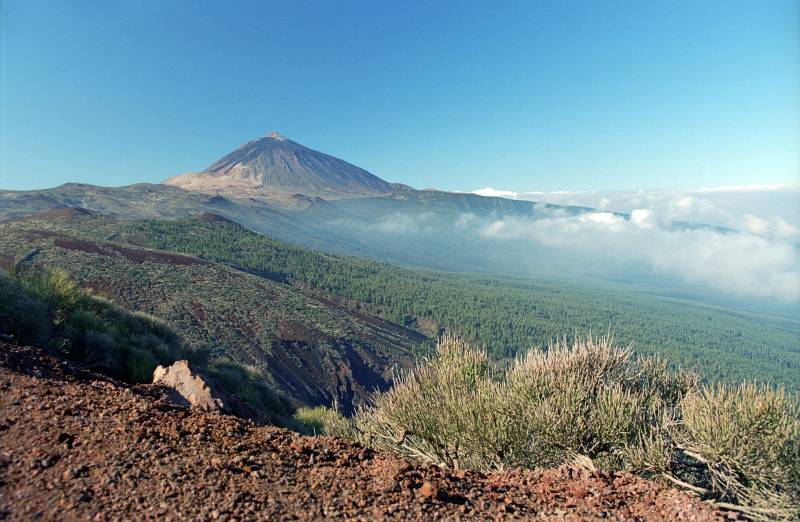
Seismic activity beneath Mount Teide has ramped up again, with scientists recording close to 90 small earthquakes over just three days under the western side of Las Cañadas del Teide National Park. While that number might sound dramatic, experts say the pattern itself isn’t unusual for Tenerife’s volcanic system, although one particular signal this week did stand out.
Spain’s National Geographic Institute (IGN) says most of the tremors were low-frequency pulses, but there were also a few hybrid events. These are basically a combination of different types of underground activity, like standard earthquakes and other vibrations, which makes them trickier to analyse. All of the movements came from 10 to 12 kilometres below the surface. Because some of the signals overlapped, it hasn’t always been easy for scientists to get an exact count.
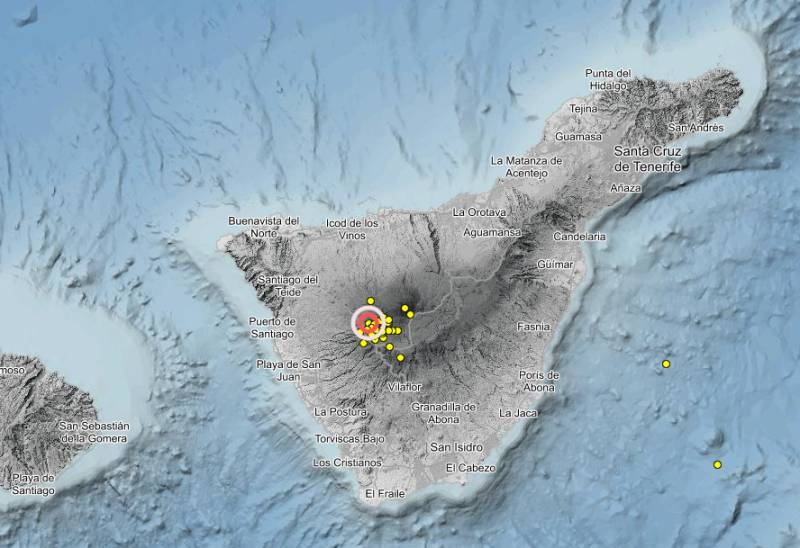
But one signal in particular really stood out to the scientists analysing the tremors. On Monday morning, February 9, monitoring stations recorded a continuous pulse that lasted about an hour and a half, far longer than the usual short tremors. Experts from IGN said a signal like this hasn’t been seen in more than 20 years of monitoring on Tenerife, but they reassured the public that there are no signs of an eruption in the short or medium term.
Unlike a typical earthquake swarm, which is made up of separate tremors, this was a series of overlapping pulses. It may have been above magnitude 2 in energy, but it was so weak that no one felt it. The movement was only visible on seismic graphs from more than a dozen stations across the island.
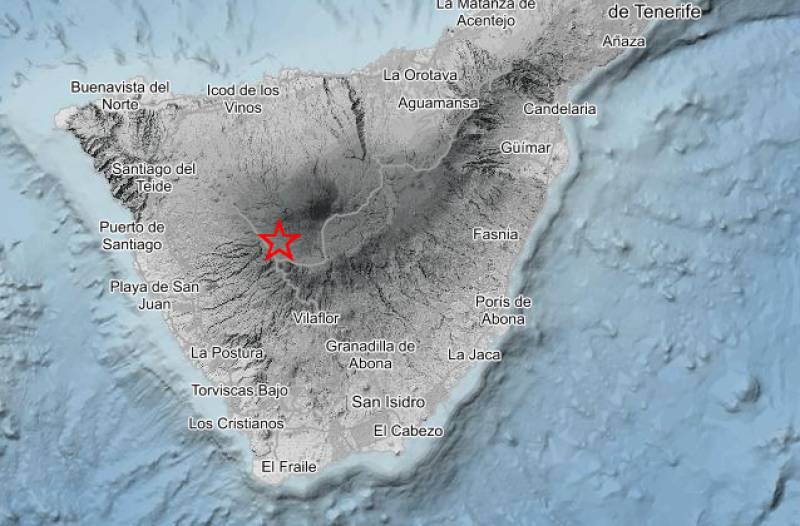
Experts say the most likely cause is fluids moving deep underground, apparently a normal process in volcanic regions. Beneath Tenerife, magma can build up slowly over years or even decades without triggering an eruption. This activity may also be linked to minor ground shifts and gas emissions recorded near Teide’s crater in recent years.
For now, scientists say there is no immediate danger. They are keeping a close watch on seismic and volcanic activity and will continue to monitor any changes over the coming days.
Image 1: CC/ Jerzy Strzelecki
Image 2: IGN
Image 3: IGN
staff.inc.ali
Sign up for the Spanish News Today Editors Roundup Weekly Bulletin and get an email with all the week’s news straight to your inbox
Special offer: Subscribe now for 25% off (36.95 euros for 48 Bulletins)
Read some of our recent bulletins:
Discount Special Offer subscription:
36.95€ for 48 Editor’s Weekly News Roundup bulletins!
Please CLICK THE BUTTON to subscribe.
(List price 3 months 12 Bulletins)