Murcia hospital cuts breast cancer diagnosis from weeks to under an hour
ARCHIVED ARTICLE -
A simple rethink of how tests are scheduled at the Virgen de la Arrixaca has already helped more than 250 women, and the approach is now being recognised nationally
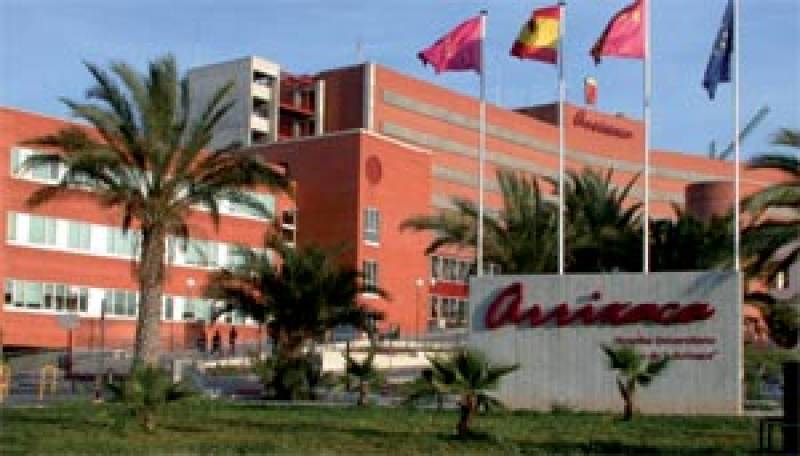
It started with a two-minute wait. Radiologists at the Virgen de la Arrixaca Hospital in Murcia noticed that patients receiving contrast dye before a mammogram had to sit and wait a few minutes before the scan could begin. Instead of accepting that as dead time, they asked a simple question: what else could we be doing right now?
The answer led to a complete rethink of how breast cancer diagnostic tests are scheduled, and the result is a protocol called TEMA that has already been recognised by Spain's Ministry of Health and is now being put forward as a model for hospitals across the country.
"Those two minutes are what prompted us to change our way of working," says Dr Florentina Guzmán, head of the Radiology Department at Arrixaca Hospital. The new approach integrates what used to be multiple separate appointments, spread across weeks, into a single visit lasting just over an hour. A woman arrives with a suspicious lump and leaves with a contrast mammogram, a CT scan of the chest, abdomen and pelvis, an ultrasound and, where needed, a biopsy, all completed in one go.
Crucially, this was achieved without buying any new equipment. "The circuit developed by our service has not required investments or the purchase of new equipment," Dr Guzmán explains. "Only the procedure and the way of working have been reorganised to eliminate the downtime that occurred between tests."
The protocol is particularly significant given the wider push to improve breast cancer screening and early detection in Spain (Article 1). The women who benefit most from TEMA are those with a high suspicion of breast cancer who need to know quickly whether the disease has spread to other organs before treatment can begin. Getting that information in a single visit rather than over several weeks can make a meaningful difference to both outcomes and anxiety.
The project began as a pilot in 2023 with 40 patients. More than 250 women have now gone through the full protocol. It has since won the New Medical Economics 2025 Award, received bronze recognition from the Ministry of Health in its Good Practices of the National Health System call for 2025 to 2026, and been certified as an Excellent Practice, with its authors hoping it can be rolled out to other hospitals across Spain.
Sometimes the most effective improvements don't require more money. They just require someone to notice a two-minute gap and ask what to do with it.




















 It started with a two-minute wait. Radiologists at the Virgen de la Arrixaca Hospital in Murcia noticed that patients receiving contrast dye before a mammogram had to sit and wait a few minutes before the scan could begin. Instead of accepting that as dead time, they asked a simple question: what else could we be doing right now?