Date Published: 03/07/2026
How Spain's new emergency lane rules will work in practice
ARCHIVED ARTICLE -
The new rule takes effect on October 1 across Spain and requires drivers to create a clear corridor for emergency vehicles during traffic jams
When the Spanish government announced
a series of traffic law changes earlier this week, the updated electric scooter rules was the topic that grabbed the most attention. However, one of the measures that caused the most confusion among drivers was the introduction of the so-called emergency lane.
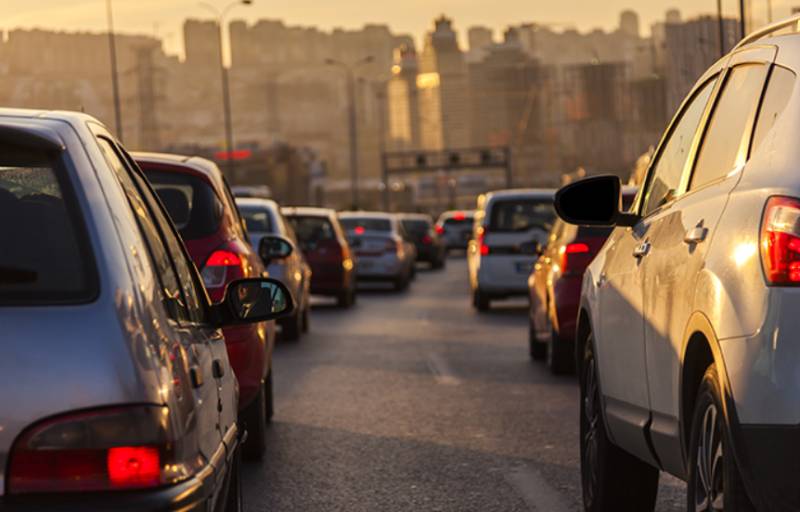
The new rule, which comes into force on October 1, does not involve creating a permanent new lane on Spain's roads. Instead, it requires drivers to work together to create a temporary corridor whenever traffic comes to a standstill or is moving at walking pace.
What is the emergency lane?
The measure is based on the German Rettungsgasse system, which has been used successfully for years to help emergency services reach incidents more quickly.
When traffic becomes heavily congested, drivers will be required to move their vehicles towards the edge of their lane, while still remaining on the road, effectively creating a clear passage through the middle of the carriageway.
The “lane” is reserved exclusively for emergency vehicles, including ambulances, police cars and fire engines responding to incidents.
How should drivers create the lane?
The rule applies when vehicles are either stationary or moving extremely slowly in a traffic jam.
Drivers should move as far to the side of their lane as possible without leaving the roadway.
The aim is to create a clear corridor between lanes so emergency vehicles can pass through traffic instead of becoming trapped in it.
In future, the DGT also hopes to use connected technology, including the DGT 3.0 platform, V16 emergency beacons and connected traffic cones, to warn motorists about approaching emergency vehicles before sirens become audible.
What is the penalty for ignoring the rule?
Failing to create or respect the emergency lane will be considered a serious traffic offence. Motorists who fail to comply face a fine of €200.
Other traffic rules changing on October 1
The emergency lane is just one of several changes included in the latest reform package. Drivers should also be aware of the following:
- Overtaking cyclists: On interurban roads, motorists must reduce their speed by at least 20 km/h below the speed limit when overtaking cyclists. On roads with more than one lane in each direction, drivers must move completely into the next lane when passing.
- Driving in snow: On motorways and dual carriageways affected by snow, overtaking will be prohibited. All vehicles must remain in the right-hand lane, leaving the left lane clear for snowploughs and emergency services.
- Following cyclists in urban areas: Drivers must maintain a minimum distance of five metres when travelling behind a cyclist in the same lane.
- Seat belt exemptions removed: Taxi drivers, goods vehicle drivers and driving instructors will be required to wear seat belts at all times, ending previous exemptions.
- Passing broken-down vehicles: When overtaking a vehicle stopped because of a breakdown or accident, drivers must reduce their speed by 20 km/h and leave at least 1.5 metres of space where possible.
Image: DGT
article_detail

|