











PROPERTY SEARCH

Bioparc Valencia says goodbye to Negombo, one of Europe's longest-living Sri Lankan leopards
The much-loved big cat arrived at the Spanish park back in 2009 and his offspring continue to thrive in zoos across Europe
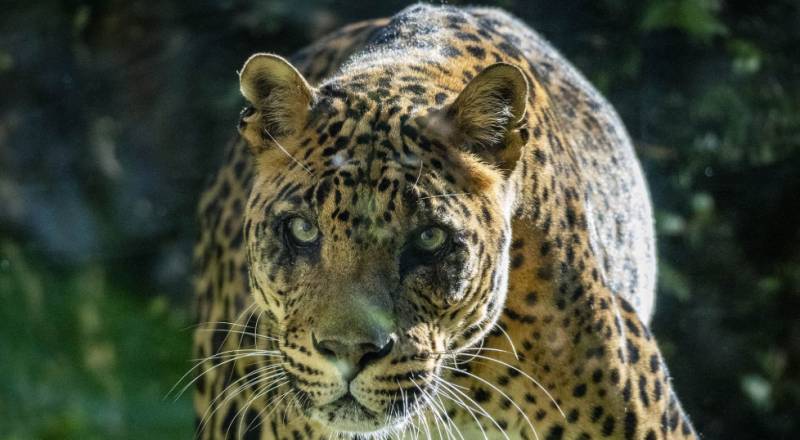
Bioparc Valencia has announced the death of Negombo, a male Sri Lankan leopard who spent more than 15 years at the park and became one of the longest-living examples of his subspecies in European zoos.
He was 21 years old and just weeks away from his 22nd birthday.
In recent months, Negombo had been suffering from a number of chronic conditions associated with his advanced age. After intensive veterinary monitoring made it clear that his condition was irreversible, the decision was taken to euthanise him to prevent any further suffering.
His arrival at Bioparc Valencia in 2009, from La Palmyre Zoo in France, was part of the European Endangered Species Programme (EEP), an international conservation effort for the Sri Lankan leopard, Panthera pardus kotiya, which is listed as endangered by the IUCN.
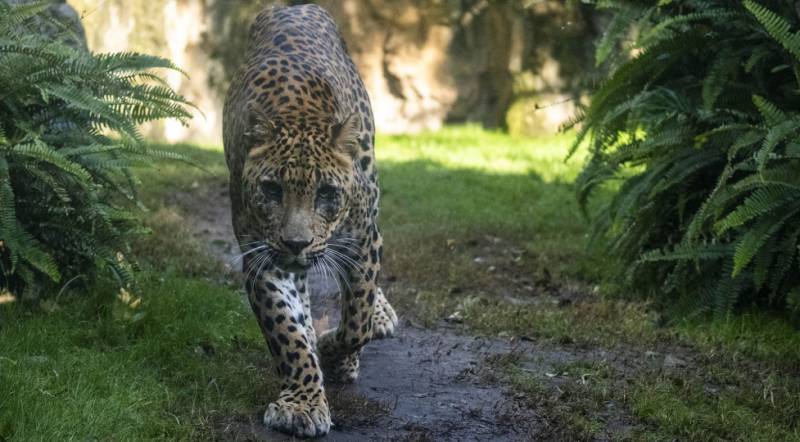 Together with females Mamba and Inés, both of whom have since passed away, Negombo made a huge contribution to the controlled breeding of this subspecies, and his offspring are now living in a number of other European institutions, continuing that important work.
Wild Sri Lankan leopards typically live between 10 and 12 years, meaning Negombo came close to doubling that figure, something Bioparc attributes to the specialist care he received throughout his nearly two decades at the park.
The team of keepers who cared for him daily over those years have spoken of the deep bond they formed with him and their sadness at his loss is clear.
The park has said it's now awaiting the arrival of a new leopard to continue its vital conservation work for this endangered subspecies.
Images: Bioparc Valencia
staff.inc.ali
See more news about animals in Spain:
OR
Sign up for the Spanish News Today Editors Roundup Weekly Bulletin to get a comprehensive email with all the week’s news for Spain, Murcia, Alicante and Andalucía.
Get a sneak peek – here are a few of our recent Subscription Bulletins:
Discount Special Offer subscription:
36.95€ for 48 Editor’s Weekly News Roundup bulletins!
Please CLICK THE BUTTON to subscribe.